)
Festa Major de Gràcia
Full Guide


Every year, in the heart of summer, the streets of Gràcia come alive with color, music, and tradition during the Festa Major de Gràcia. This beloved festival transforms the neighborhood into a beautiful outdoor celebration that draws visitors from all over Barcelona and beyond.
Festa Major de Gràcia is known for its creative street decorations and lively atmosphere, with live music, parades, and unique Catalan traditions. It's the perfect event to enjoy with your friends and family!
In 2026 the festival runs from August 15 to August 21, opening with the pregó on the evening of August 14. Twenty-three streets and squares are decorated, and around 900 activities are spread across the neighborhood—all of them free.
| 📅 Dates | August 15 - August 21, 2026 (opening pregó: August 14) |
| 📍 Location | Gràcia neighborhood, Barcelona (23 decorated streets and squares) |
| 🎉 Main Activities | Street decorations, live music, parades, correfocs (fire runs), Catalan traditions like castellers (human towers) |
| 💲 Price | Free (food, drinks, and merchandise are available for purchase) |
The Origins of Festa Major de Gràcia
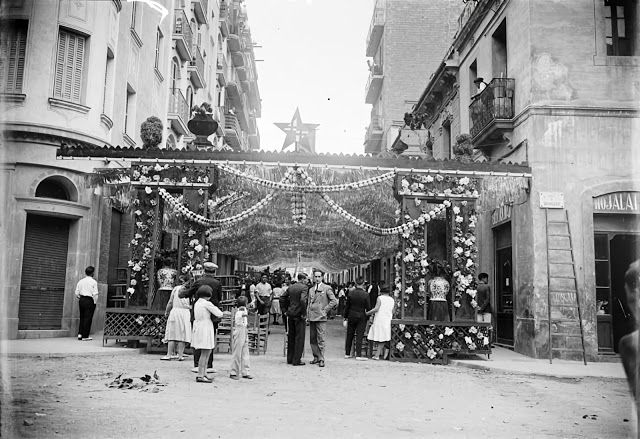
The Festa Major de Gràcia has roots going back to 1817, when it was first documented as a religious celebration in honor of the Mare de Déu d’Agost (Assumption of the Virgin Mary). Over time, what started as a small, local event grew into a much larger community festival.
Originally, the neighborhood of Gràcia was a small, independent village outside of Barcelona. As the area developed, its residents worked together to keep the tradition of the festival alive. What once focused on religious processions gradually transformed into a civic celebration that reflects the creativity and spirit of the neighborhood today.
The festival is now best known for its elaborate street decorations, a tradition that began in the 19th century when residents would adorn streets with branches and flowers. These early efforts have evolved into the intricate themed displays we see today, with streets competing for the title of the best-decorated.
At its heart, the Festa Major de Gràcia is about community. Neighbors come together to plan, decorate, and celebrate, making this festival a symbol of the strong local identity that still defines Gràcia.

Street Decorations During the Festival
One of the most exciting parts of the Festa Major de Gràcia is the incredible street decorations. Every year, the neighborhood's residents spend months preparing for this event, turning their streets into vibrant, themed displays. Each street chooses its own unique theme—ranging from nature and fantasy to cultural references—and works together to bring it to life with colorful decorations.
In 2026 there are 23 decorated streets and squares, plus four alternative spaces. The themes are kept secret until the end of July, and once the decorations are up you can vote for your favorite through the official festival app.
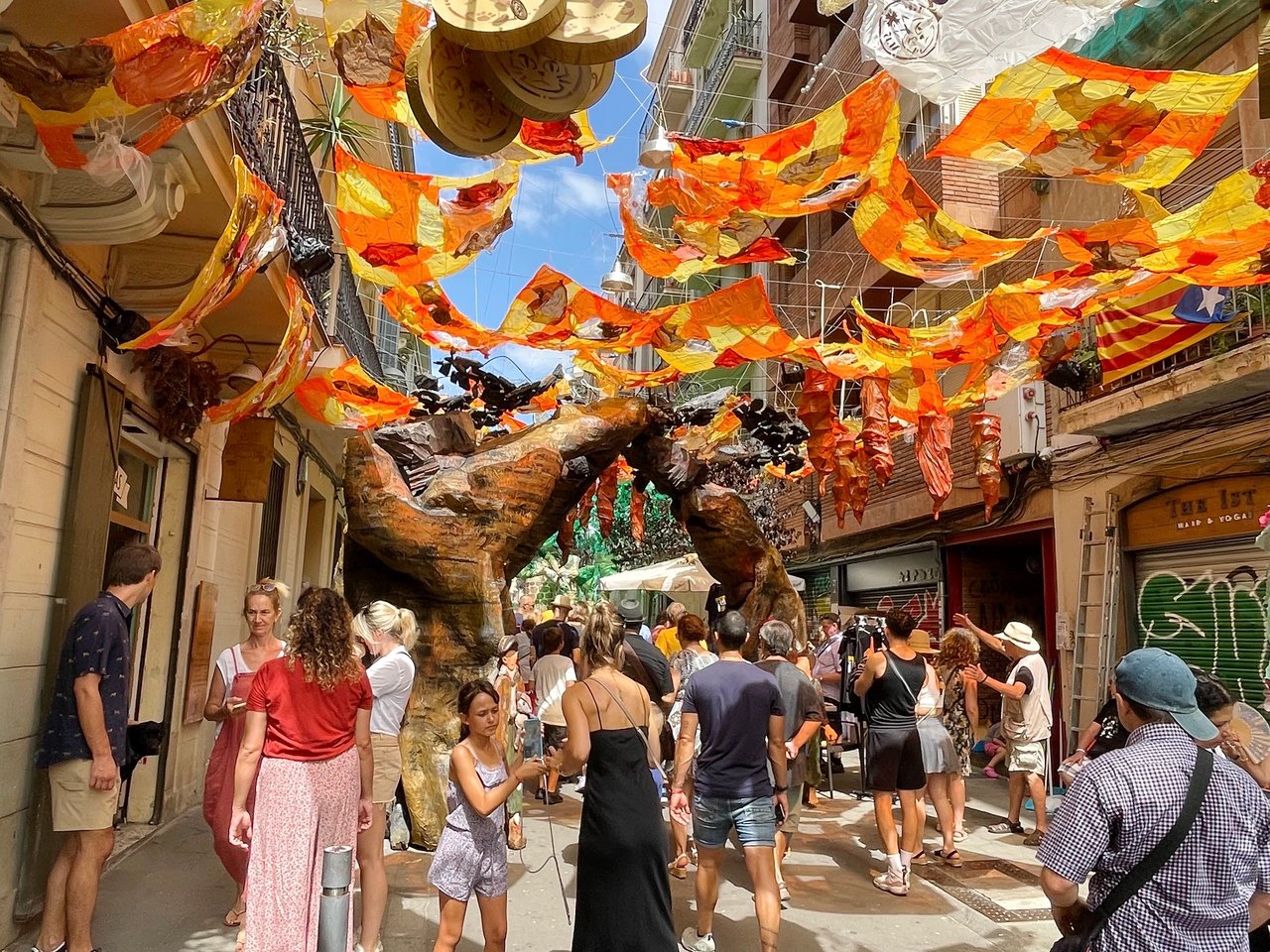
Photo by Joanbrebo, licensed under CC BY-NC 2.0.
The competition to create the best-decorated street is fierce, with everyone aiming to impress visitors and the judges. The results are often spectacular, with entire streets covered in creative handmade designs made from recycled materials like paper, plastic, and wood. From giant sculptures to intricate hanging ornaments, every corner of Gràcia feels like stepping into a work of art.
While walking through the streets, you’ll find that each one has its own personality. Some streets go all out with extravagant decorations, while others keep it simple yet elegant. The best part? You can see all of this for free, day or night, and soak in the festive atmosphere as live music fills the air.
The street decoration competition adds an extra layer of fun and pride to the festival. The prizes are handed out on August 19 at 6pm in Plaça de la Vila de Gràcia, but for the residents, it’s really about the joy of creating something together and sharing it with the city.
Top Events During Festa Major de Gràcia
The Festa Major de Gràcia is packed with exciting activities for all ages, blending tradition, music, and fun. While the street decorations are a major attraction, there are several other key events that make this festival unforgettable. Here are some of the highlights:
Cercavila de Cultura Popular (August 15)
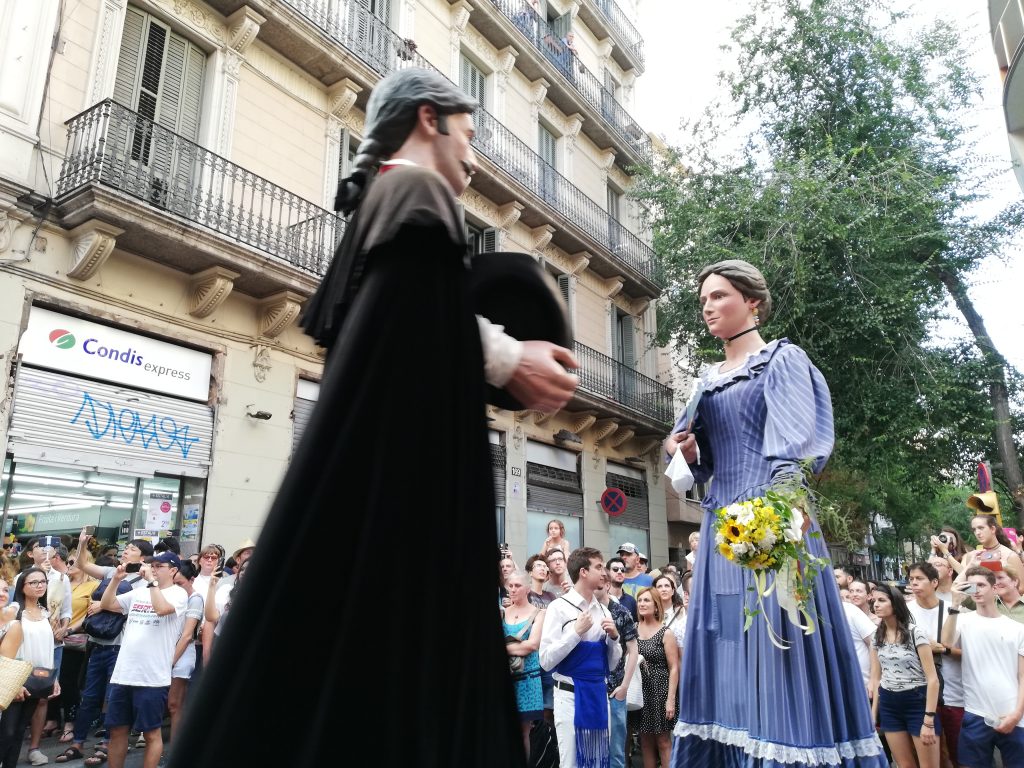
This vibrant parade kicks off the festival, featuring gegants (giant figures), caps grossos (big heads), dragons, and traditional dancers. It sets off along Gran de Gràcia at 6:30pm and reaches Plaça de la Vila de Gràcia around 6:45pm. It’s the perfect way to experience Catalan culture up close.
Diada Castellera (August 16)
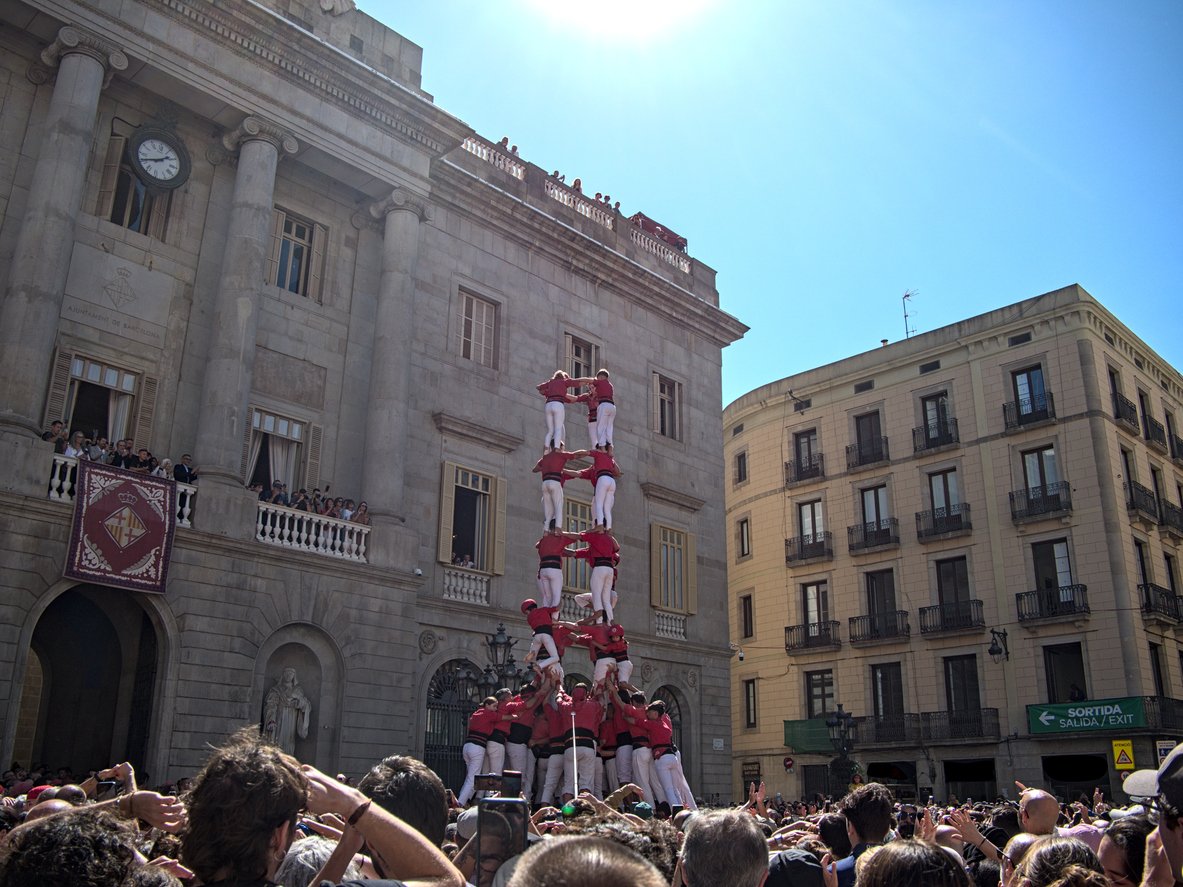
Watch the famous castellers—teams of people forming human towers—show off their impressive skills at Plaça de la Vila de Gràcia. The main display starts at midday on August 16, when the Castellers de la Vila de Gràcia host the Xiquets de Reus, and there is a second, smaller session on the evening of August 19. It’s a must-see for anyone new to Catalan traditions.
Correfoc (August 21)
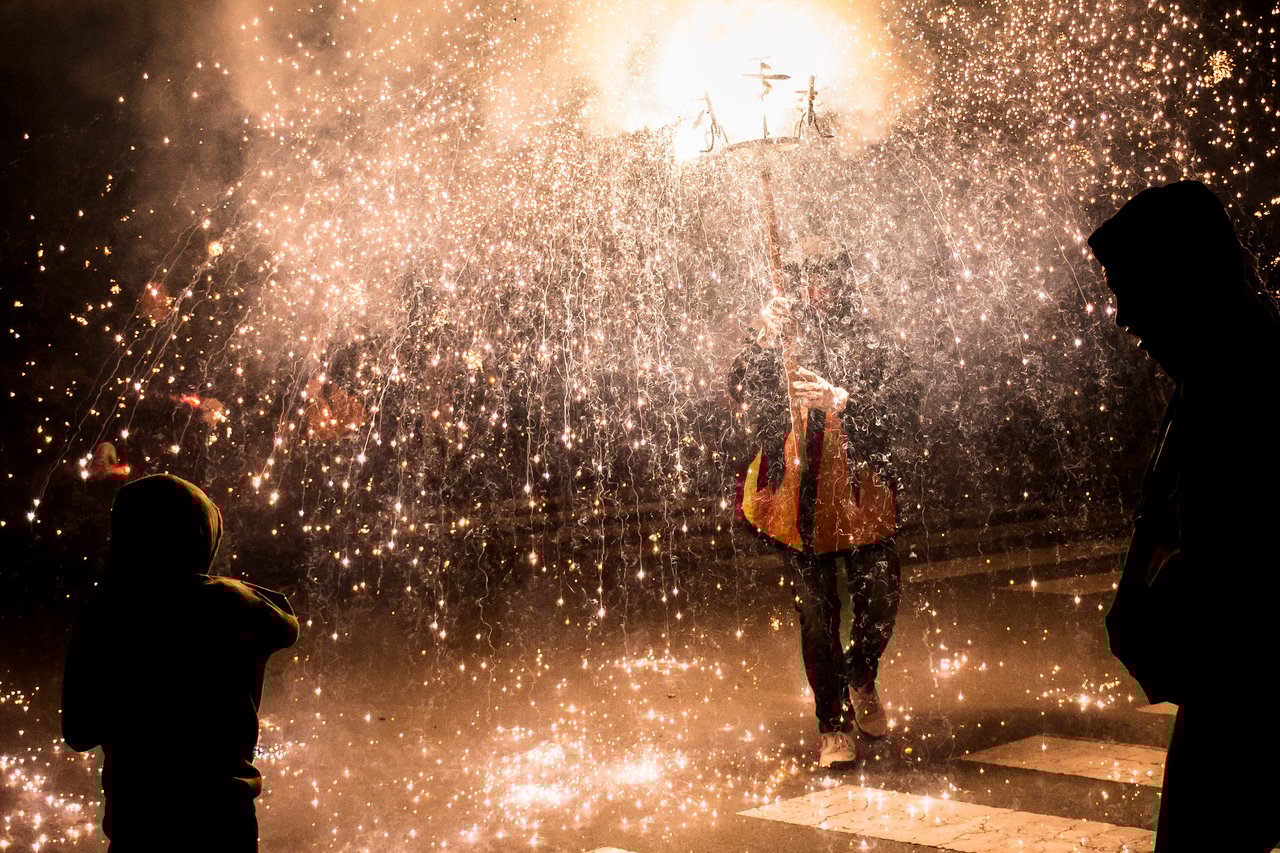
Photo by Josep Enric, licensed under CC BY-SA 2.0.
In this thrilling fire run, participants dressed as devils parade through the streets, unleashing showers of sparks. It starts at 9:30pm in Plaça de la Vila de Gràcia and loops through Sant Domènec, Sant Pere Màrtir, Pere Serafí, Ros de Olano, Torrent de l’Olla, Or, Torrijos and Travessera de Gràcia before returning to the same square for the final displays at 11:30pm.
If you want to get close, wear closed shoes and long cotton sleeves, and never throw water at the participants—it makes the ground slippery and ruins the pyrotechnics.
Live Music and Concerts
Throughout the week, various streets and squares host live music performances, ranging from rock and salsa to dance hits. Popular spots include Plaça del Sol (home of the Plaça del Folk stage), Plaça de la Vila de Gràcia, the Festigàbal in the Jardins de la Sedeta, and Plaça de les Dones del 36. Every decorated street also programs its own concerts and DJ sets.
Activities for Children
For families, there are plenty of children’s games and activities across the decorated streets. In 2026, Plaça Joanic becomes a space dedicated to children and teenagers aged 0 to 14, with sensory shows for the youngest, theatre, and clowns. There is also a children’s correfoc on August 21, a gentler version of the fire run that reaches Plaça de la Vila de Gràcia at around 9pm.
How to Get There?
Getting to the Festa Major de Gràcia is easy, thanks to Barcelona’s well-connected public transportation system. The best ways to get there are by metro, bus, foot, bike, or taxi.
By Metro
The closest metro stops are Fontana (Green Line, L3) and Joanic (Yellow Line, L4). Both stations will drop you right in the middle of the festival area. From there, just follow the crowds or the sound of music to find the decorated streets and main squares.
By Bus
Several bus lines, including 22, 24, and 39, serve the Gràcia neighborhood. Check local schedules to find the best route depending on where you're coming from.
By Foot or Bike
If you’re already in the city center, Gràcia is just a short walk or bike ride away. You can easily explore the neighborhood on foot once you arrive.
Insider Tips
To make the most of your Festa Major de Gràcia experience, it’s best to visit earlier in the week to avoid the biggest crowds, especially if you want to enjoy the decorated streets at a relaxed pace. Bring comfortable shoes, as you’ll be walking a lot, and keep your belongings secure—like in any busy festival, pickpockets can be an issue.
Monday August 17 is the nit tranquil·la (quiet night), when music programming is deliberately scaled back across the whole neighborhood out of respect for residents. It’s a lovely evening to see the decorations without the crush, but don’t turn up expecting concerts.
August in Barcelona is hot, and the 2026 program is built around that: most morning events finish before the hottest hours and afternoon ones start later. The official festival map marks every public drinking fountain in the area, so bring a bottle, look for shade, and keep an eye on children and older travelers.
The festival is also a great opportunity to dive into Catalan culture. These traditions give a glimpse into the region’s deep cultural heritage.
Timings can shift at the last minute, especially for the correfocs, so check the official programme at festamajordegracia.cat or the festival app on the day.
For up-to-date information on all events, maps, and insider tips, visit BarcaTrips. We provide everything you need to plan your perfect day at the festival, and much more—whether you're looking for hidden gems in Barcelona or need guides to local attractions, BarcaTrips is your go-to resource for an unforgettable time in the city.
FAQs
What are the dates for Festa Major de Gràcia 2026?
The Festa Major de Gràcia 2026 takes place from August 15 to August 21, with the opening pregó on the evening of August 14.
Is Festa Major de Gràcia free to attend?
Yes, all events and activities at the Festa Major de Gràcia are free to attend. However, food, drinks, and some merchandise are available for purchase.
Is Festa Major de Gràcia family-friendly?
Yes, on the festival, you can find plenty of activities for families, including children’s games, a space dedicated to children and teenagers at Plaça Joanic, and a children’s correfoc (fire run) on August 21.
What time does the correfoc start at Festa Major de Gràcia?
The main correfoc (fire run) starts at 9:30 PM on August 21, beginning and ending at Plaça de la Vila de Gràcia. The final displays are at around 11:30 PM.
Can I see castellers at Festa Major de Gràcia?
Yes, you can watch the famous castellers (human towers) during the Diada Castellera on August 16 at midday at Plaça de la Vila de Gràcia, with a second, smaller display on the evening of August 19.